
How to Care For Exotic Pets
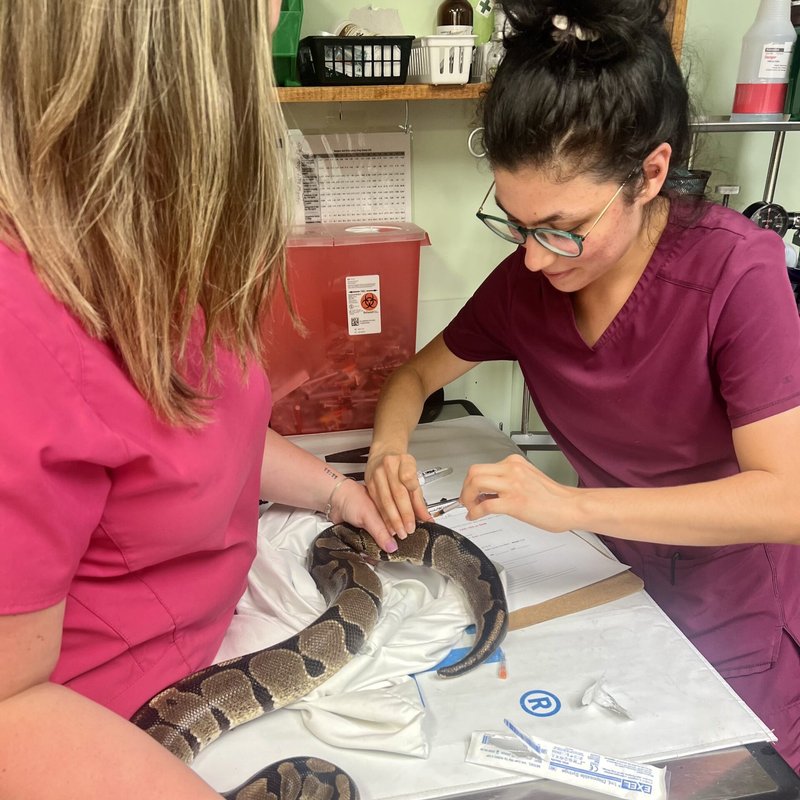
Pets truly come in all shapes and sizes. Whether your companion has feathers, scales or fur, the team at FloridaWild Veterinary Hospital is here to provide compassionate care. Exotic pets can be incredibly rewarding companions, but they also have unique medical, nutritional, and environmental needs that require specialized veterinary attention and intervention. Our experienced team is proud to support a wide variety of pets.
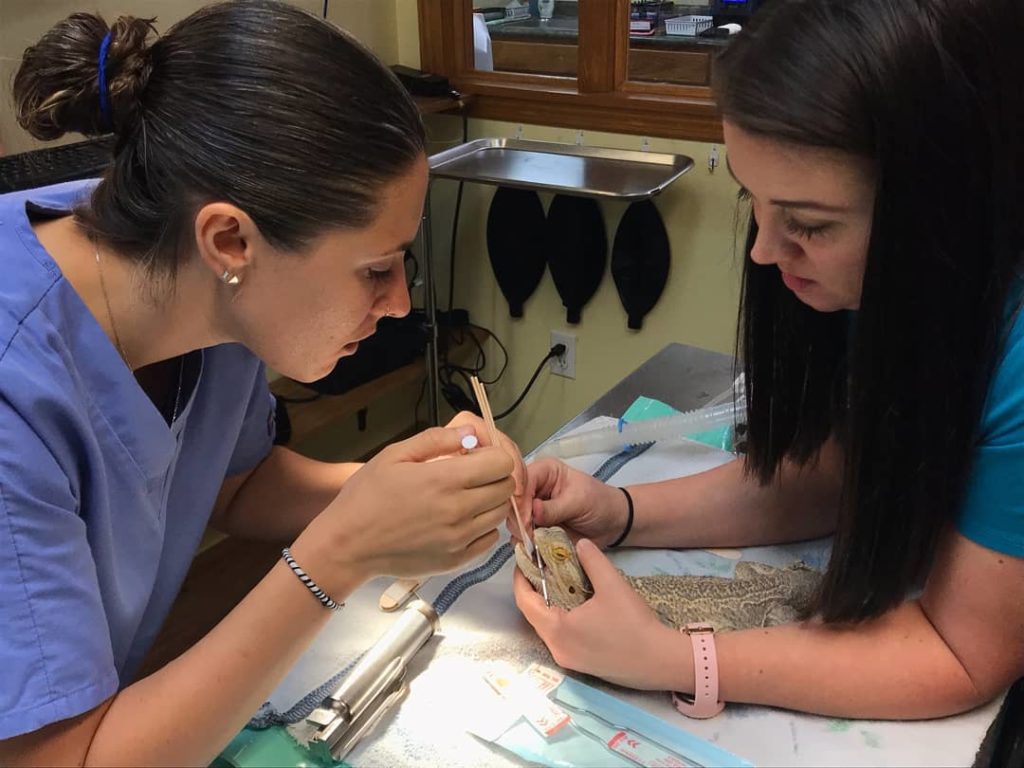
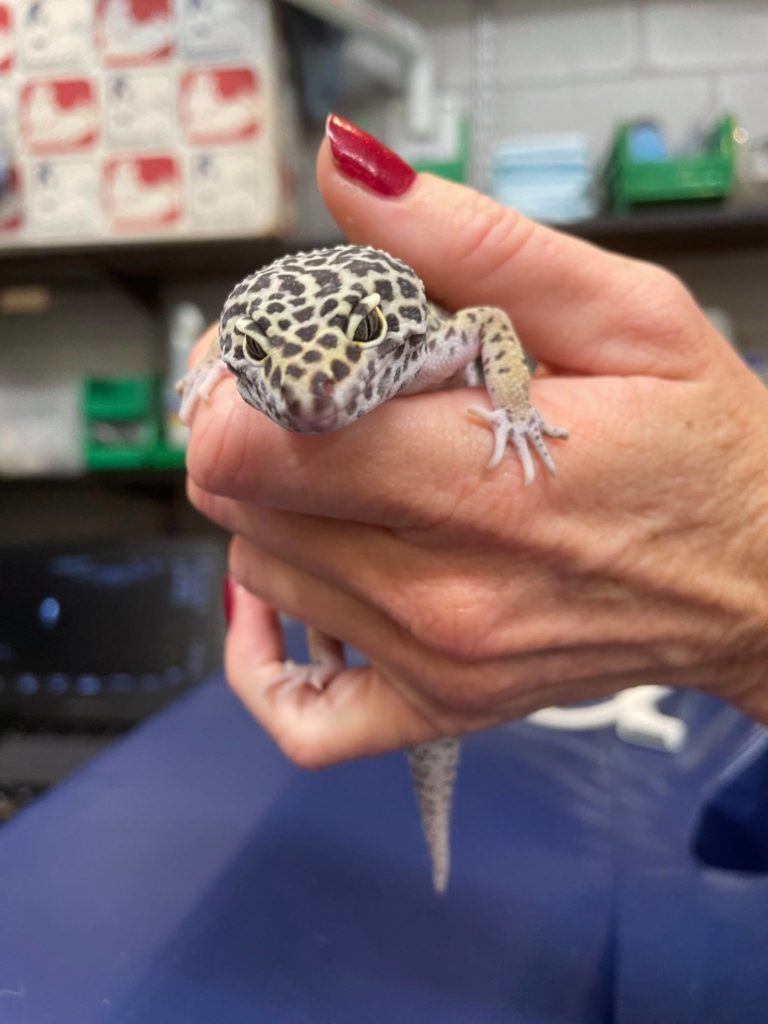
What Is Considered an Exotic Pet?
Exotic pets are animals that are not commonly found as pets. Some of the most popular ones include:
- Birds (parrots, cockatiels, and finches)
- Reptiles (snakes, turtles, and lizards)
- Small mammals (hamsters, guinea pigs, and ferrets)
- Amphibians (frogs, newts, and salamanders)
- Fish
- Invertebrates (tarantulas, hermit crabs, etc.)
Each of these animals has specific needs when it comes to nutrition, habitat, and overall health. This is why seeing an exotic veterinarian is super important!
Exotic Pet Care Services
At FloridaWild Veterinary Hospital, we offer a full range of services for non-traditional pets, including:
Routine Check-ups
Regular vet visits are key to keeping exotic pets healthy. During these visits, we check for signs of illness, make sure your pet is getting the proper diet, and provide habitat care tips. Many exotic pets, like birds and reptiles, are good at hiding signs of illness, so these check-ups can help catch issues early.
Diagnostic Testing
If your exotic pet is acting weird or seems sick, our hospital can run various diagnostic tests. We may perform blood work, imaging (such as X-rays), or fecal exams to get to the root of any underlying health issue. Diagnosing a problem early can be key to a successful treatment for your pet.
Nutrition Counseling
Feeding exotic pets the proper diet can be tricky. Each species has different dietary needs, and the wrong diet can lead to serious health problems. Whether your pet is a bird that needs a balanced pellet diet or a turtle that requires a mix of proteins and veggies, we'll help you make sure their nutritional needs are met.
Surgery and Emergency Care
Exotic pets may sometimes need surgery or emergency care. When they do, we’re here to help. Our veterinary team is trained in exotic pet surgeries, from tumor removals to fixing broken bones.
Dental Care
Dental health is often overlooked in exotic pets, but it's vital for their well-being. Pets like rabbits, guinea pigs, and ferrets can develop dental problems if their teeth aren’t properly cared for. We offer dental exams and treatments to keep your pet's teeth and gums healthy.
Avian Medicine
First Visit
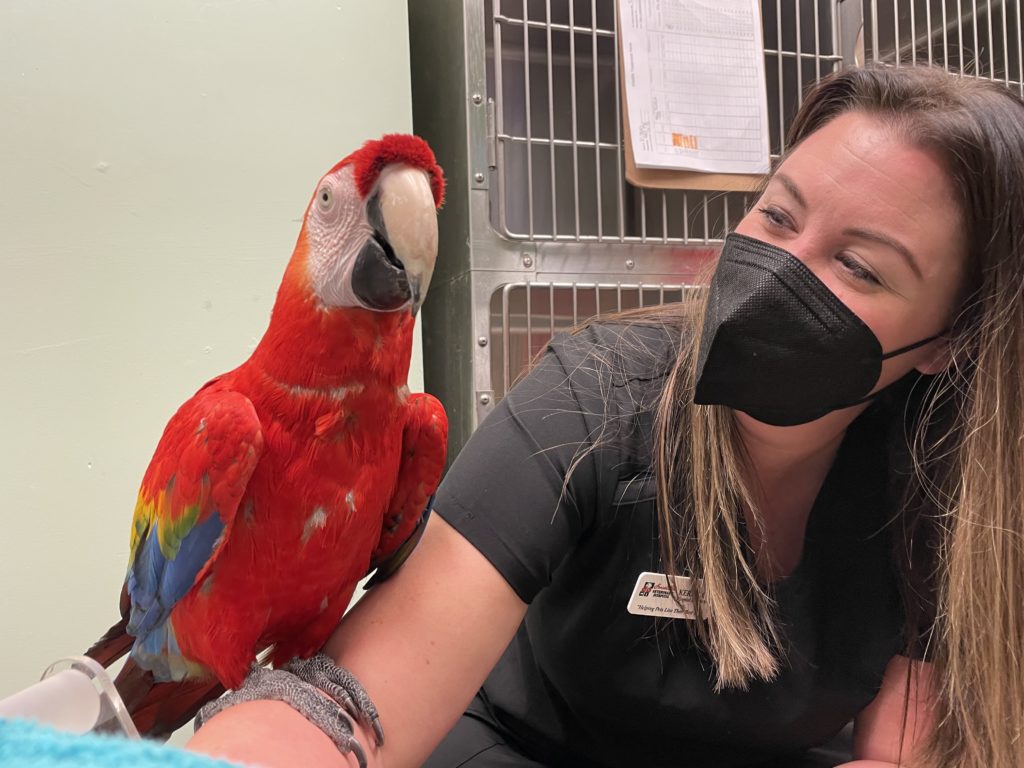
We use this opportunity to teach you some things that perhaps you didn’t already know about birds. For example, why UV light is critical or why a pelleted diet is a must. During this time, we also are happy to answer any questions about birds.
The first appointment will typically last an hour. At this time, we will gather information about your bird’s environment, food, socialization, behavior, and any past illness. We will perform a thorough physical examination and recommend baseline blood work and/or infectious disease testing.
Nutrition
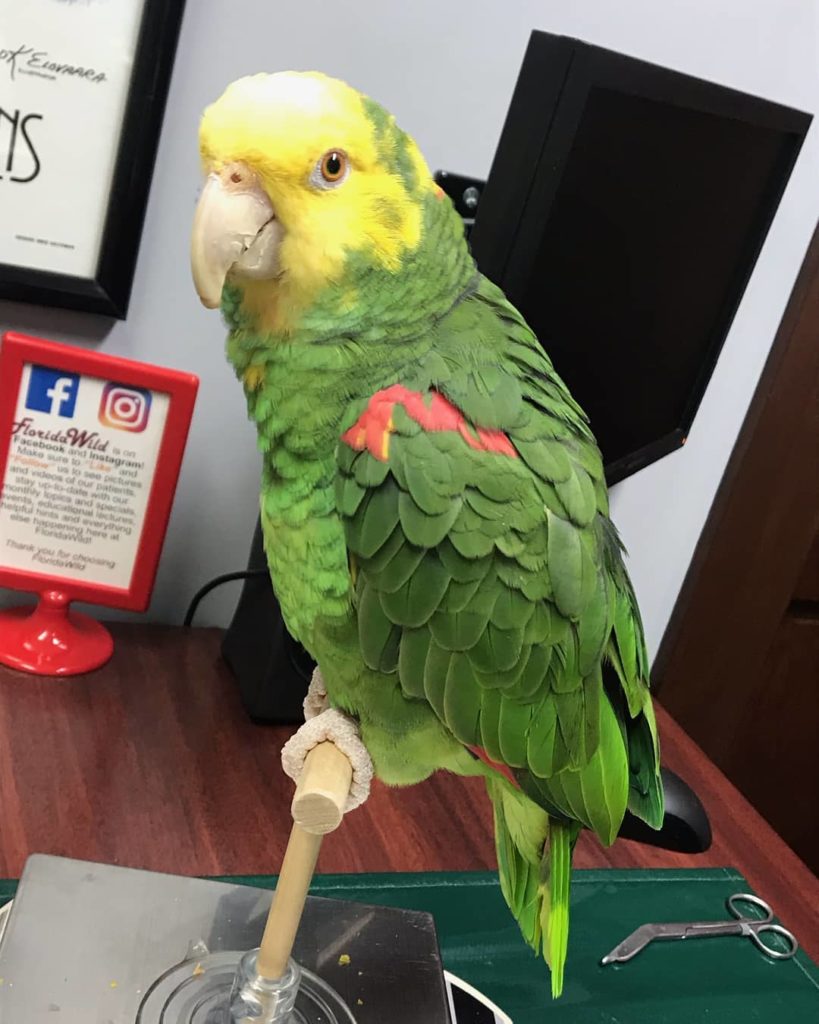
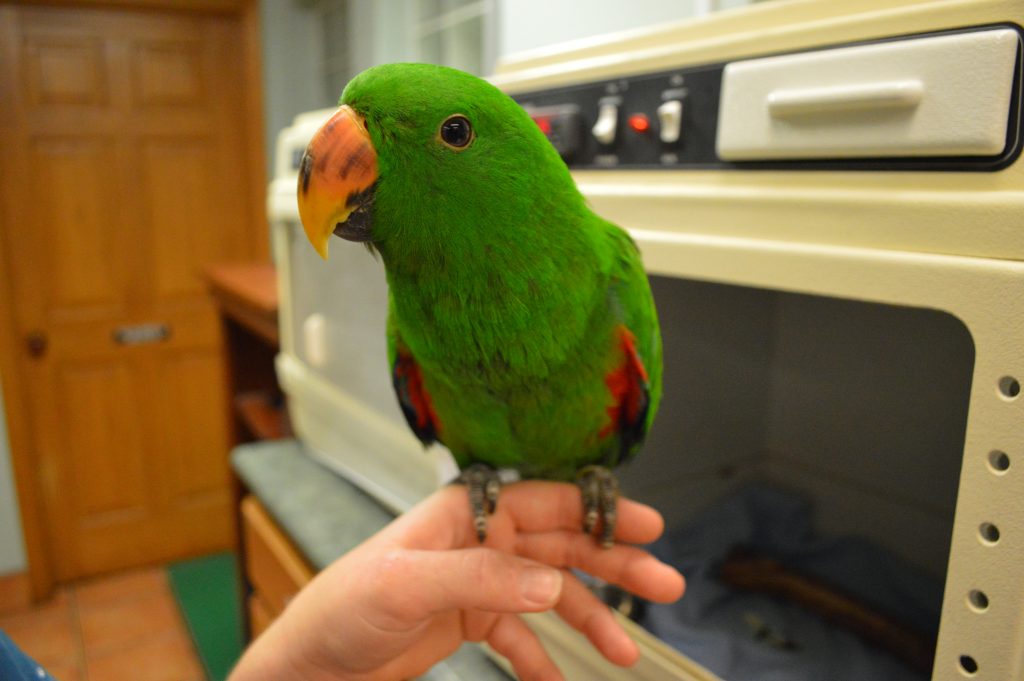
The exact nutritional requirements of caged birds are unknown. There is such a great variation in each species of bird. What is known, however, is that the seed and nut diet is miserably deficient in essential nutrients for all birds, especially for large parrots. These seed diets are excessively rich in oils and deficient in vitamins A, D, & E, as well as calcium.
Furthermore, research has shown that the high oil content of these food items is addictive.
The vast majority of bird owners do not have the time nor knowledge to properly balance a totally home prepared diet; therefore, the ideal caged bird’s diet should consist of at least 75% or more of a pellet diet. The exception to this rule is the Eclectus Parrot. These commercially formulated diets have proven to be the most complete nutritional source yet for birds.
There are many pellet diets on the market; some are compressed, extruded (cooked and aerated) and some are baked. The following is a list of FloridaWild Integrative Veterinary Center & Urgent Care‘s favorites, based on nutrition, natural content and palatability:
- Harrisons
- Roudybush
- Oven Fresh Bites
Converting seed junkies into nutritionally sound pellet eating birds is not easy. Recommendations and tips to smooth diet conversions will be discussed during the exam. The key to conversion is commitment and persistence! Every single bird can be converted to pellets.
Foraging
Foraging is the act of looking for food. Birds spend the largest portion of their time awake foraging for food. This act of looking for food provides exercise and mental stimulation. It has been shown that birds prefer to forage for hidden food rather than eat from a dish of food next to them.
You can create amazing foraging opportunities for your bird, easily and inexpensively. Happy, busy parrots are less likely to engage in feather destruction and other unwanted behaviors such as aggression and screaming. Let us help you create a positive and interactive environment and help your birds live their best life!
Behavior
At FloridaWild Veterinary Hospital, a great number of our avian patients present to us with behavior problems. The most devastating of these is feather destruction behavior that has spiraled into self-mutilation. We have to work hard to halt unwanted behaviors early in life and this is accomplished through education.
How are wild parrots weaned? Where do they live? What do they spend their days doing? What do they eat?
We have a huge responsibility to our caged parrots. These creatures are designed to fly for miles, forage for food, breed and interact with other birds. They are highly intelligent and sensitive animals. We must respect their needs and provide our captive birds with the best possible environment to prevent unwanted and potentially life threatening behaviors.
Reptile Medicine
First Visit
We see a variety of reptiles. During your first appointment, we will gather information about your reptile’s environment, food, socialization, and any past illness. We will perform a physical evamination.
We use this opportunity to teach you some things that perhaps you didn’t already know about reptiles.
Ultraviolet Lighting
What is UV Light and Why is it Important?UV Stands for Ultraviolet and is an important part of natural sunlight. It is invisible to the human eye and has 3 different wavelengths. In herpetology, the UVA and UVB wavelengths are the most significant.
UVA is the wavelength that is visible to reptiles and amphibians. It aids in inducing natural behaviors like feeding, breeding, and is essential for their overall well-being.
UVB light is the invisible light that helps some reptiles convert Vitamin D3 in their skin to aid in utilizing calcium from their diet. In other words, without the UVB light, calcium cannot be absorbed from their food or supplements. This lack of calcium leads to Metabolic Bone Disease (MBD).
MBD is common in reptiles that are cared for improperly. Because the body has a demand for calcium and cannot absorb it from the diet, it begins to mobilize the calcium from the animals bones. This decrease in bone density leads to fractures, usually in multiple locations. This is a very painful disease.
Does Every Reptile Need UV Light?
No! Nocturnal species, such as the leopard gecko, do not require the UV light. This is because their bodies have adapted to hunting at night and therefore in the wild, are not exposed to this wavelength. In addition, snakes do not require UV light because they obtain Vitamin D3 from their prey. But other animals like Green Iguanas, American Anoles and Bearded Dragons need the UVB light. If the reptile originates from tropical places, then the need for UVB light increases and there are products specifically for these pets.
How to Provide UV Light
There are a few ways that UV light can be provided to your pets including fluorescent tubes, fluorescent power compact bulbs, mercury vapor bulbs and ulfiltered sunshine.
It is crucial to remember that plexiglass and windows filter out the UV light needed. In addition, wire mesh also decreases the amount of UV light absorbed by reptiles. Keeping this in mind, having little or nothing between the light source and the animal is most beneficial.
Fluorescent bulbs made by ZooMed and Exo-Terra are excellent. These are inexpensive and easy to use. Please keep in mind that these bulbs need to be changed every 6 months (even if the light is still on). This insures that the proper UV light is radiating from the bulbs.
But, alas, Mother Nature is always better. None of the options for your reptile even come close to the advantages of natural sunlight. If possible, build an outdoor enclosure that is safe and provides adequate shade to prevent overheating. An aquarium outside is never a good idea. This is because the glass of the aquarium acts as a greenhouse effect and will cause the animal to overheat quickly. In addition, when constructing, use the largest mesh possible to prevent escape and decrease the UV light filtered.
More Information about UV Lighting
UV Lighting by California Zoological Supply (Cal. Zoo.).
Reptile Lighting by Melissa Kaplan.
UV Lighting: Sunshine on their Shoulders by Bonnie J. Keller.
Thanks to Western New York Herpetological Society for this helpful information.
When to Bring Your Exotic Pet in for a Visit
Knowing when you might need to bring your pet in to see a reptile vet, small-mammal vet, or bird vet is important. Some signs that your pet may need to see a veterinarian include:
- Loss of appetite
- Changes in behavior or energy levels
- Unusual breathing or sounds
- Discharge from the eyes, nose, or mouth
- Weight loss or changes in body condition
- Difficulty moving or abnormal posture
If something doesn’t seem right with your pet, please call us.
Exotic Pet Care Near You
At FloridaWild Veterinary Hospital, we are committed to providing the highest level of care for all pets, whether furry, scaly, or feathered. If you need a compassionate and skilled team for your exotic bird, reptile, small mammal, or amphibian, call us at (386) 734-9899. You can also book an appointment online below!
Book an Appointment Today!
Cookies on this website are used to both support the function and performance of the site, and also for marketing purposes, including personalizing content and tailoring advertising to your interests. To manage marketing cookies on this website, please select the button that indicates your preferences. More information can be found in our privacy policy here.